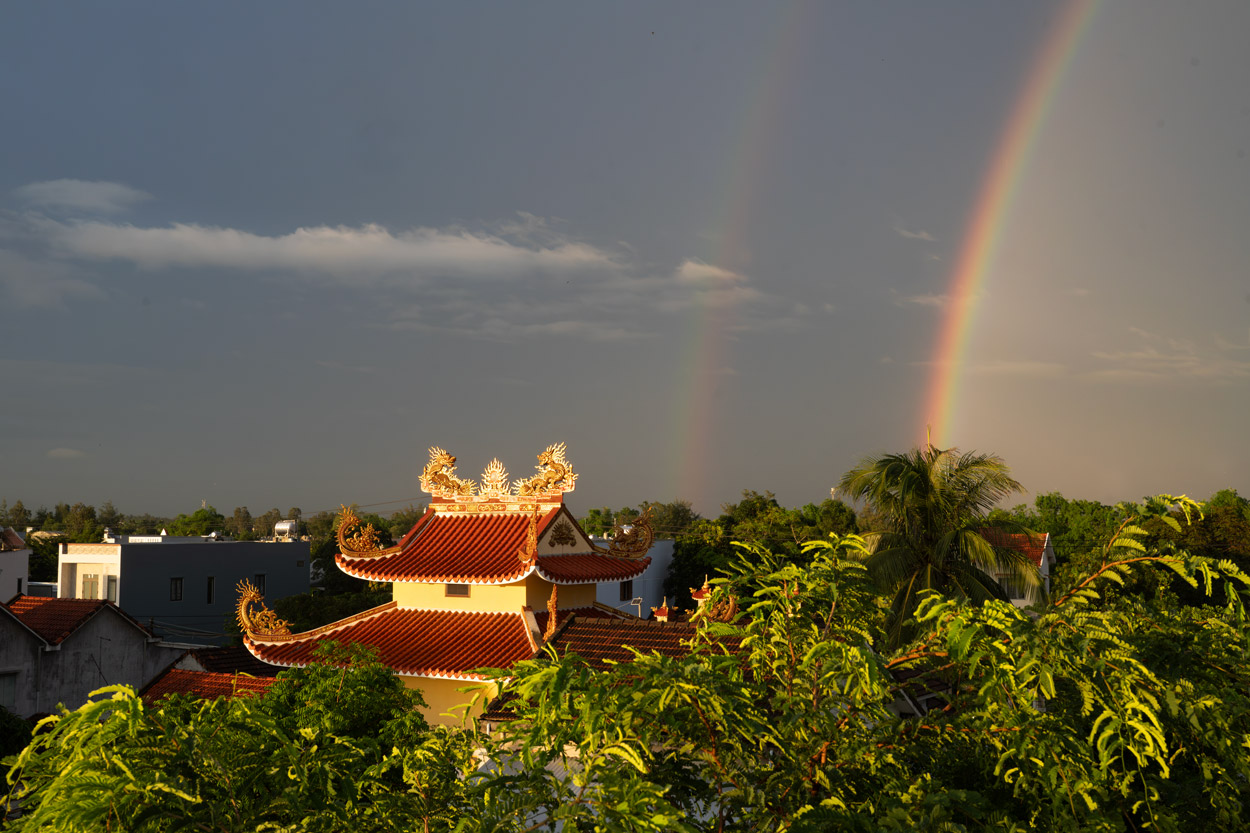
After a gloomy yesterday of rain and heavy overcast skies, the clouds suddenly cleared in time for the late afternoon sun to shine through. Complete with a rainbow! The patio on the 3rd floor of my house gave me a great view.
After a gloomy yesterday of rain and heavy overcast skies, the clouds suddenly cleared in time for the late afternoon sun to shine through. Complete with a rainbow! The patio on the 3rd floor of my house gave me a great view.
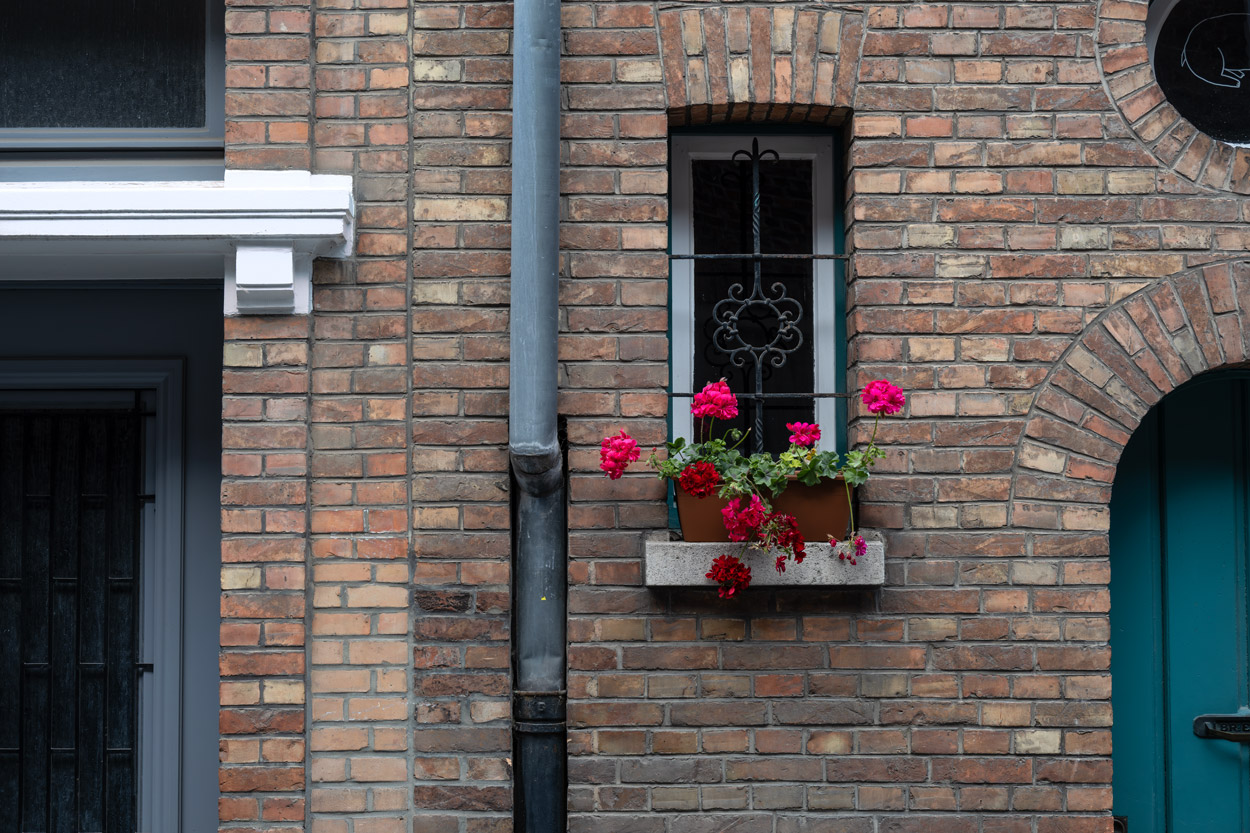
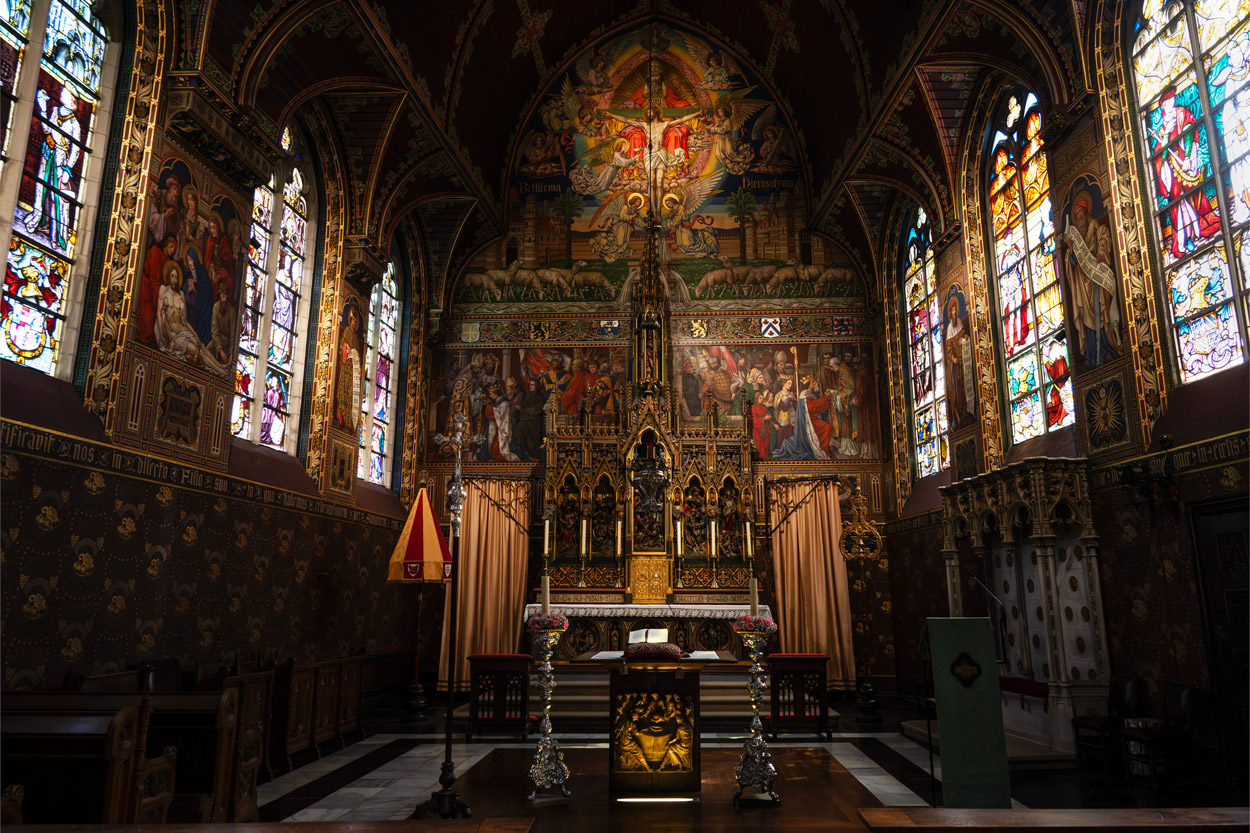
The exterior of the Basilica of the Holy Blood, next to Bruges City Hall in Burg Square, does not really look much like a church from the outside. There were people, obviously of the tourist persuasion, walking up a few stairs and through an entrance way; I was curious and followed them in. Inside, I saw a sign identifying the place at the foot of more stairs. I headed up and eventually walked into the remarkable main chapel, the Gothic style of which is somewhat unlike anything I have seen in the many churches I have visited over the years. Apparently, the church is home to a relic of the Holy Blood that a couple of bozos brought back from the Holy Land at some point. Make whatever you want of that. The church was built in the 12th century.
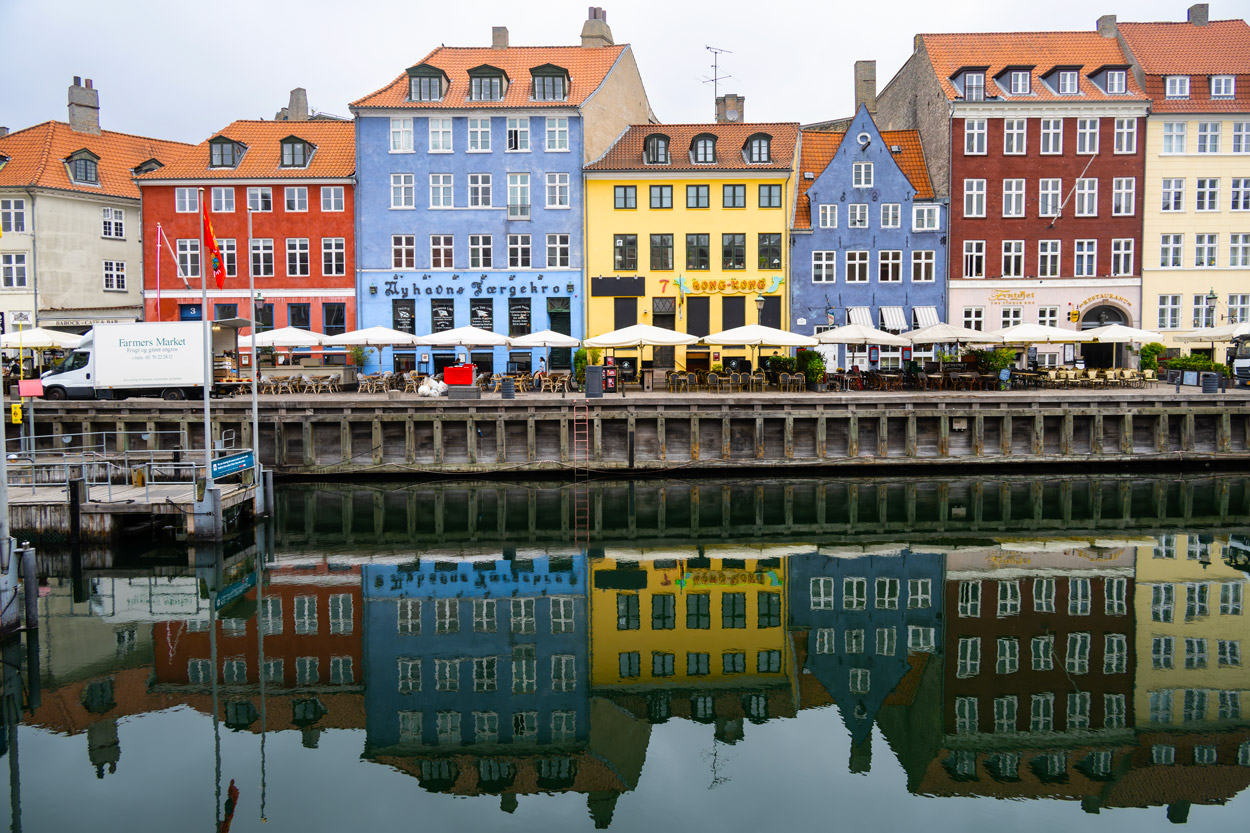
The iconic – or cliche – it’s your choice – photo of Copenhagen invariably shows a row colorful buildings along the Nyhavn. I had always assumed that Nyhvan was a Copenhagen neighborhood featuring a lot of colorful architecture. As usual, on this trip, I did not do enough homework about the places I would visit before showing up at the scene. In fact Nyhvan is a canal commissioned by the Danish King Christian V and completed in 1675. The Nyhvan let ships unload trade goods and fish in Kongens Nytrov (Kings Square), an area at the end of the canal also developed by Christian V, who did a great deal to expand Copenhagen during his reign. In any event, it is only the roughly 300m waterfront of the Nyhvan Canal that is lined with colored buildings and this appears to be the only place such buildings are to be found in Copenhagen.
Over time, as ocean-going ships became larger, only smaller ships engaged in local trade came into the canal. By the mid-20th century even this trade had declined and there were no ships visiting Nyhavn. Efforts to revitalize the canal began in the 1960s and 1970s. Today, in addition to traditional buildings of many colors, there are several old sailing vessels moored to the piers along the waterway. The entire Nyhavn canal area serves as a sort of outdoor museum for Copenhagen.
My own Nyhavn colorful buildings cliche photo was taken on a gray, overcast morning; the light was very flat. If I had been paying more attention to content and less to exposure and color in the flat light, I probably would have chosen a group of buildings that did not include a Chinese restaurant. The place seems a little incongruous in a photo that is supposed to be representative of traditional Copenhagen.
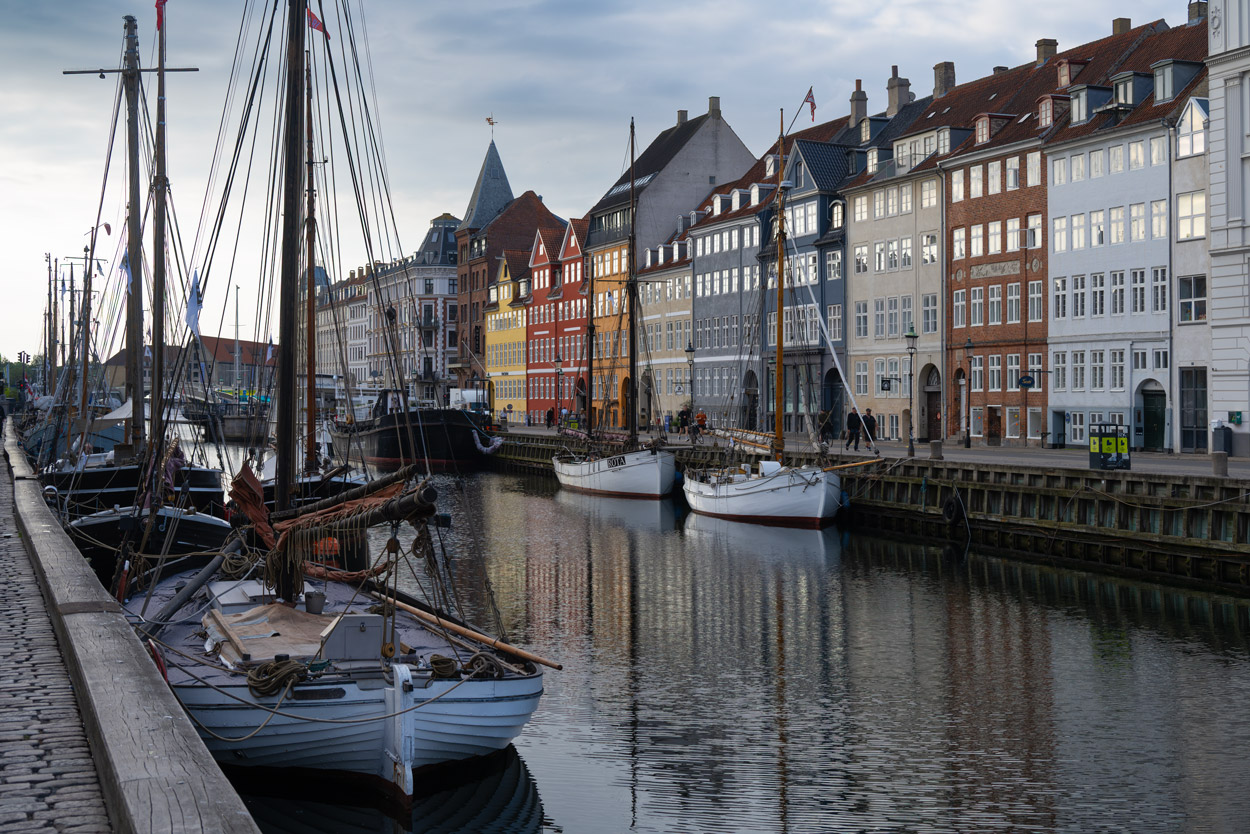
I took the photo below with my back to the buildings in the photo above. It shows some of the sailing ships docked in the canal, and gives more sense of the overall look of the Nyhavn area. This was taken on the day after my first visit to Nyhavn. I stopped briefly on my way to another part of Copenhagen to get a photo of the old boats docked along the canal. The morning offered up some hazy sunlight that gives the entire scene a bit of a glow.
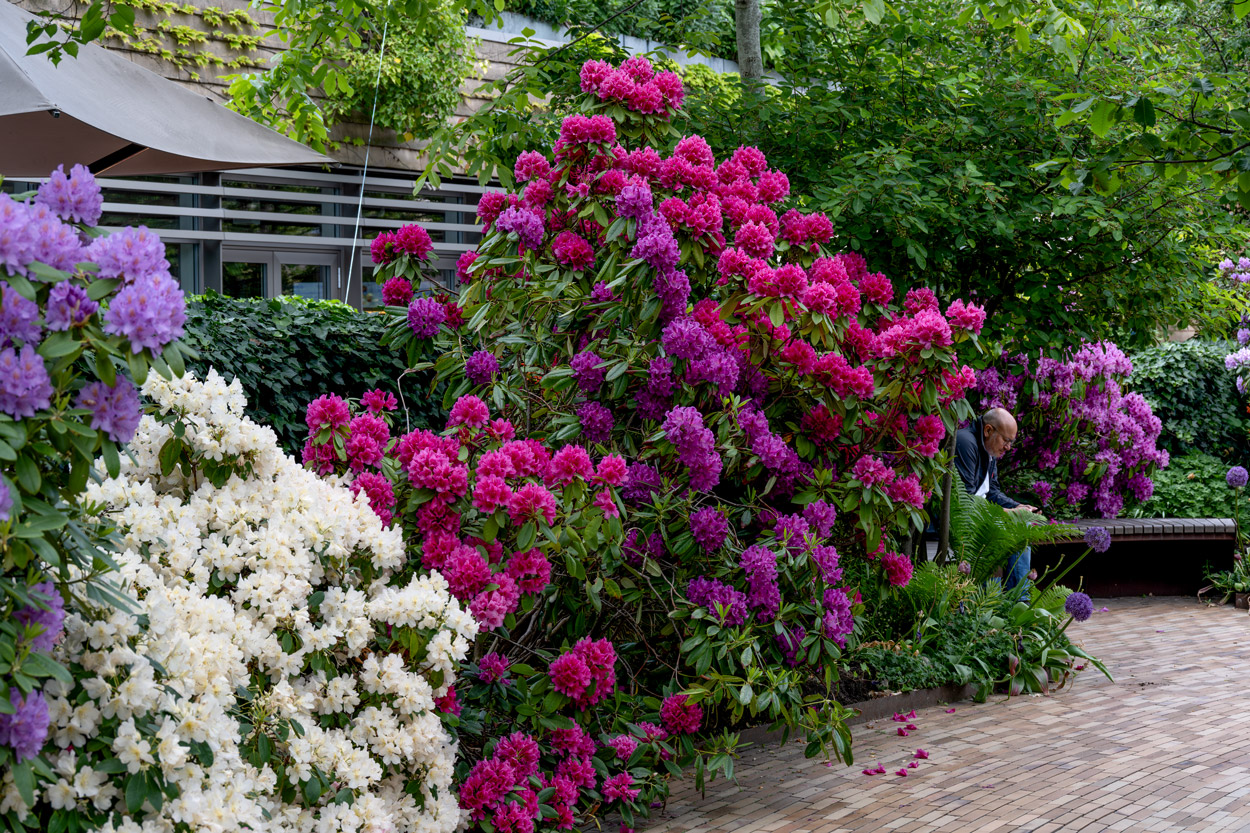
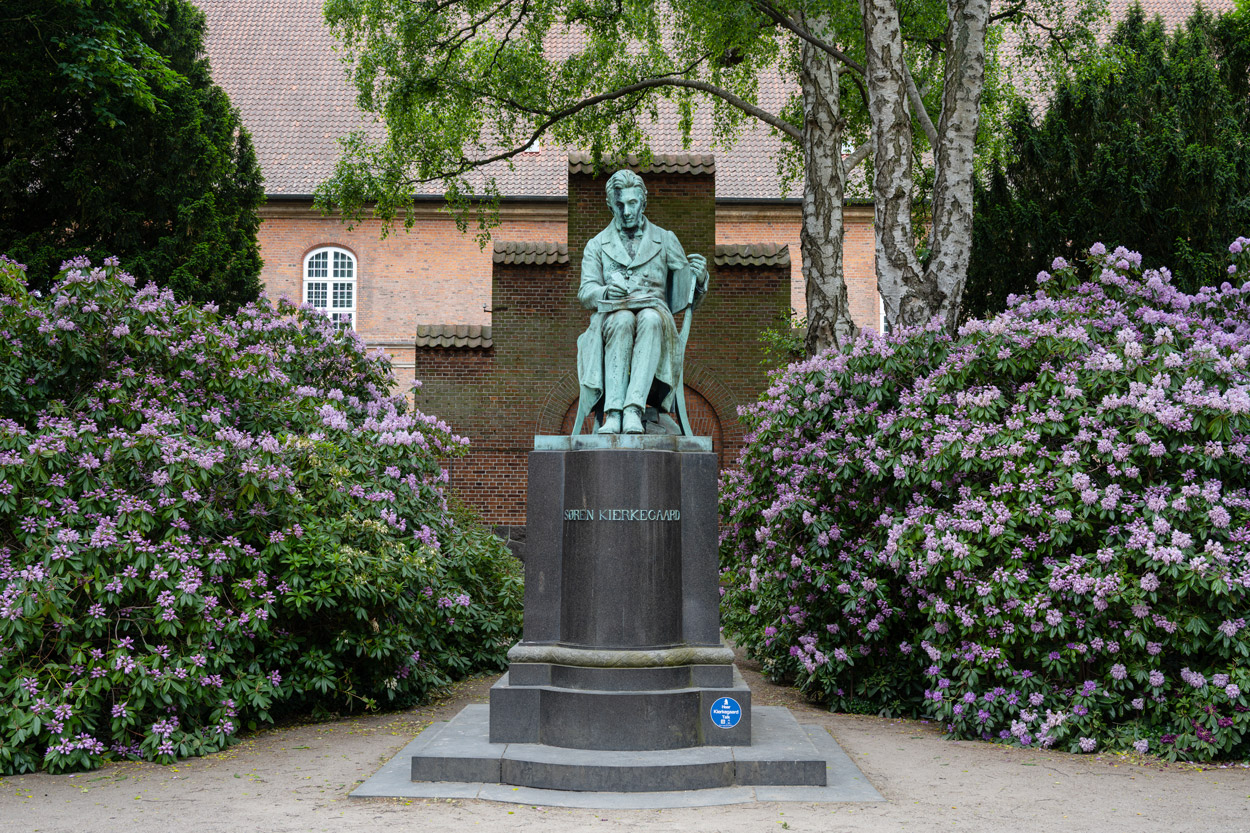
Søren Kierkegaard. Words like philosopher and theologian came to mind when I saw this statue in Copenhagen’s beautiful Royal Library Garden. I read the first paragraph of Kierkegaard’s Wikipedia entry. This told me the man was a prolific thinker writing about a wide range of topics – I did not read the lengthy article introducing his works – and is considered to have been the first existentialist philosopher. His was a name my dad dropped from time to time during his years at Harvard in the early 1960s, and that is most likely when I first heard of Kierkegaard.
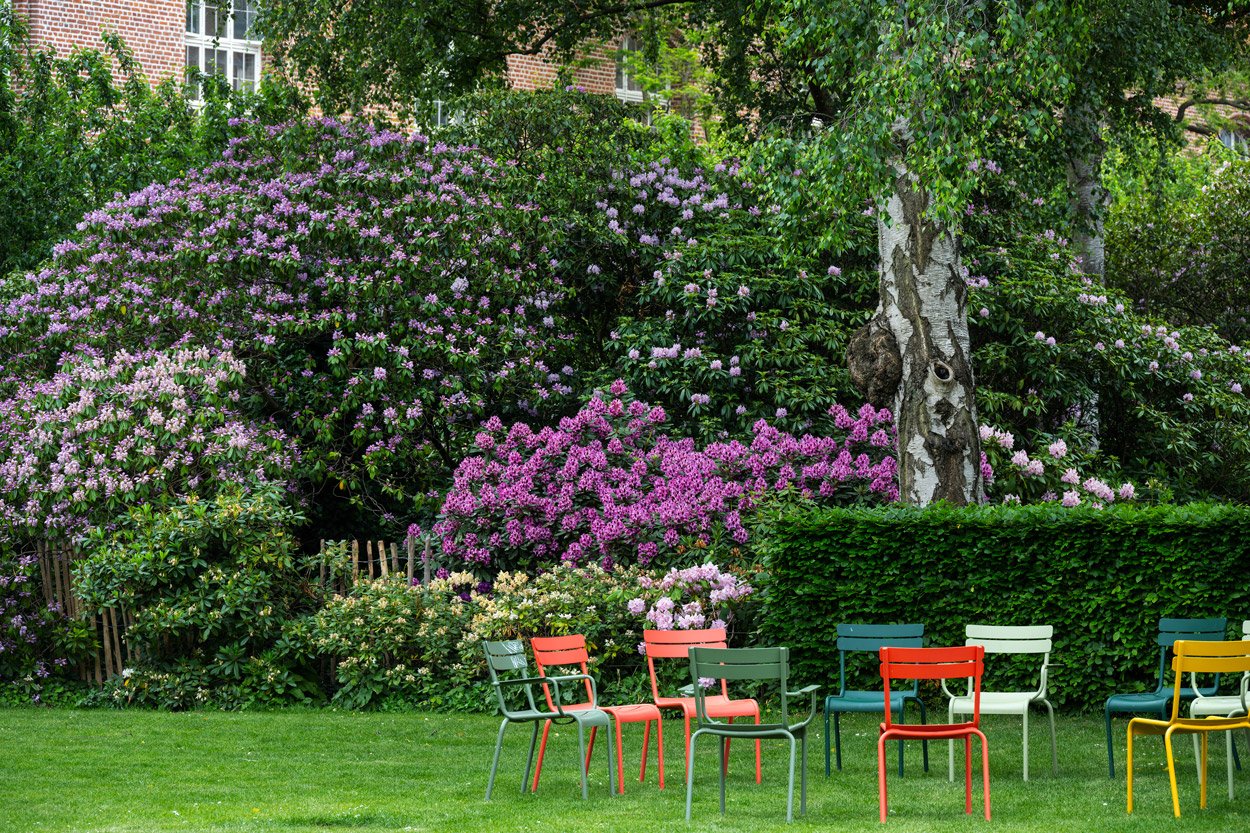
The Royal Library Garden is a quiet, restful place, and I had been sitting on a bench near Kierkegaard for quite some time when a group of Chinese tourists walked into the area around the statue. They immediately began standing in front of Kierkegaard and posing for photos with hands raised in V salutes. I amused myself wondering how many, if any, of these Chinese had ever heard of Kierkegaard or knew anything of his work. Of course, it is very possible most of them knew more than I did. Be that as it may, I wanted to get a picture of this photo taking, but doing so would have required me to get in the face of some of the group. I was not inclined to do that and remained sitting on my bench.
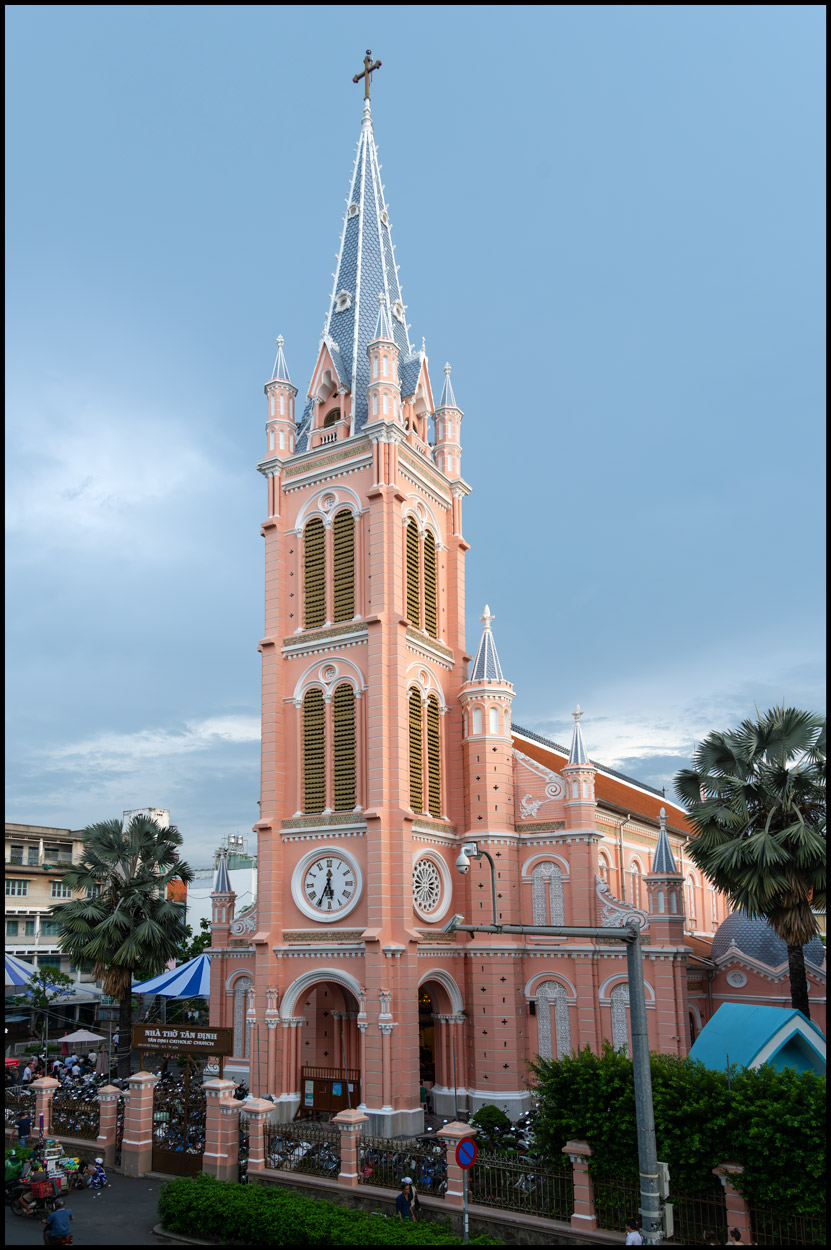
The Tan Dinh Church (Nhà thờ Tân Định) is a Saigon landmark located along Hai Ba Trung, as that street runs through downtown, making its way from the Kieu Bridge to the Saigon River. The Roman Catholic church was built by the French and completed in 1876 at a time when Vietnam was divided into three colonies, all part of French Indochina. Today, it belongs to the Archdiocese of Ho Chi Minh City.
The church was painted pink in 1957, or so Wikipedia tells us. Although Tan Dinh Church is surely the best known pink church in the country, the nickname could also be applied to the Catholic cathedral in Da Nang, which was also painted the same shade of pink at some point. I have no idea where this color scheme comes from. I cannot recall seeing any pink Catholic churches elsewhere in the world.
This photo was taken in June of 2025. I’ve made several passes at Tan Dinh Church during various visits to Saigon, and this is the first image I am happy with. I’m shooting from the second floor patio of a coffee shop across the street, and as the clock on the church notes, it is just past 5:30 on an early summer afternoon. The sun is behind some thin clouds near the horizon; while there is plenty of light available, it is diffused and softened by the clouds in a way that matches up nicely with the pastel palette of the church. As always, the sensor on the mirrorless Nikon Z7 II does an admirable job of capturing the scene.
