Copenhagen’s Unique Tivoli Gardens

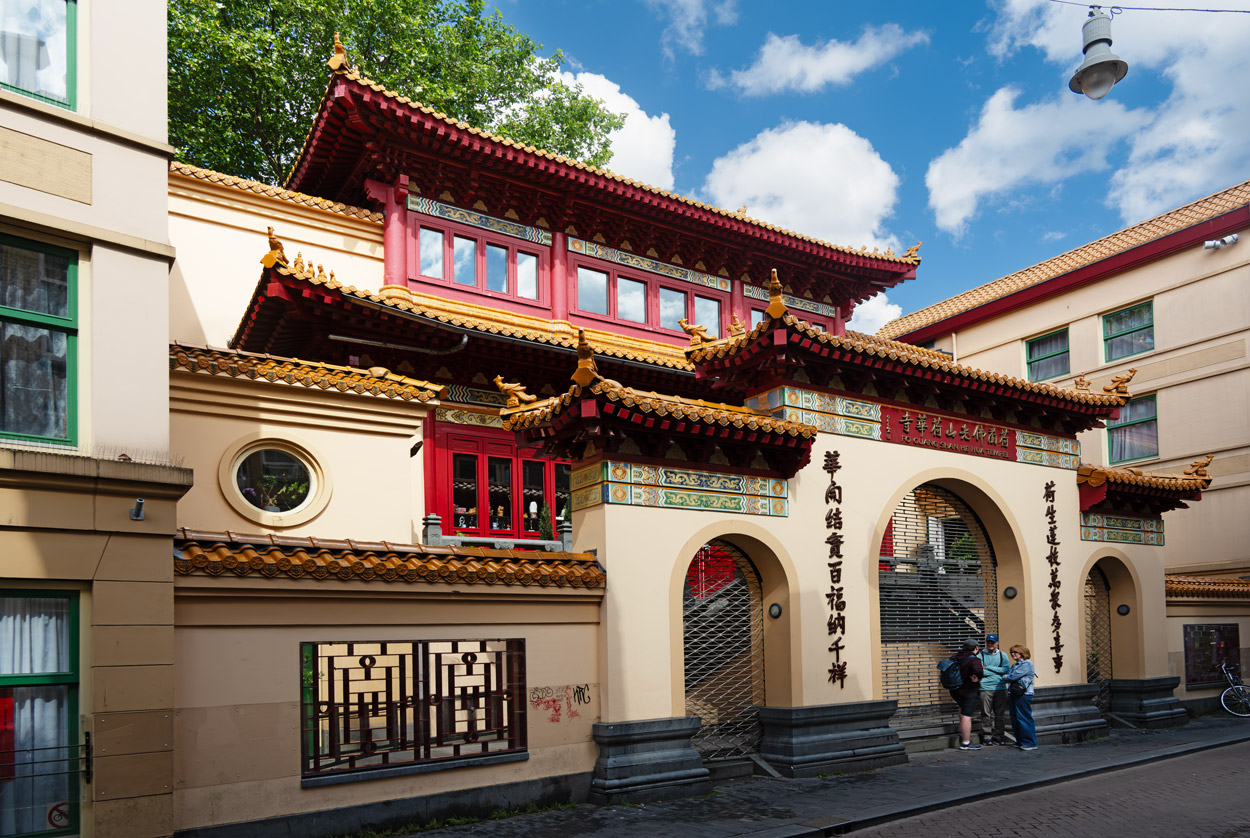
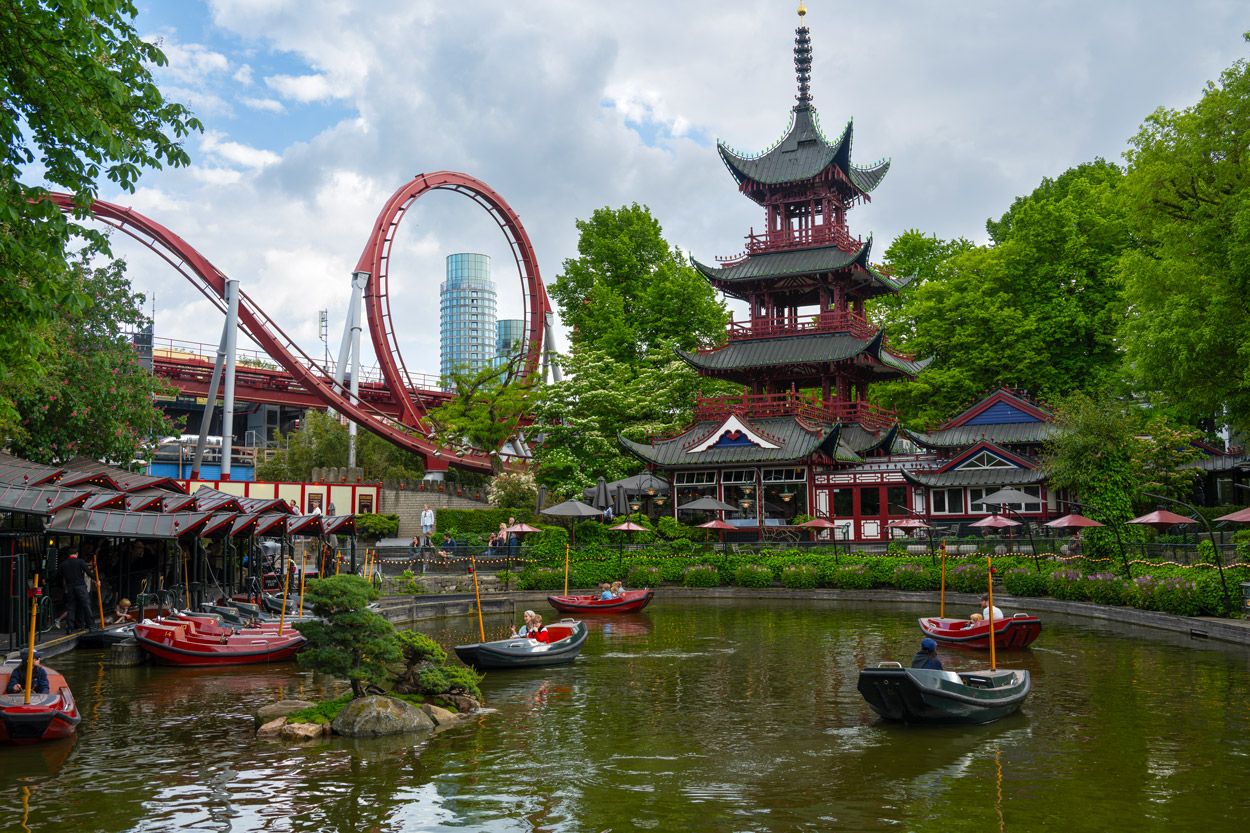
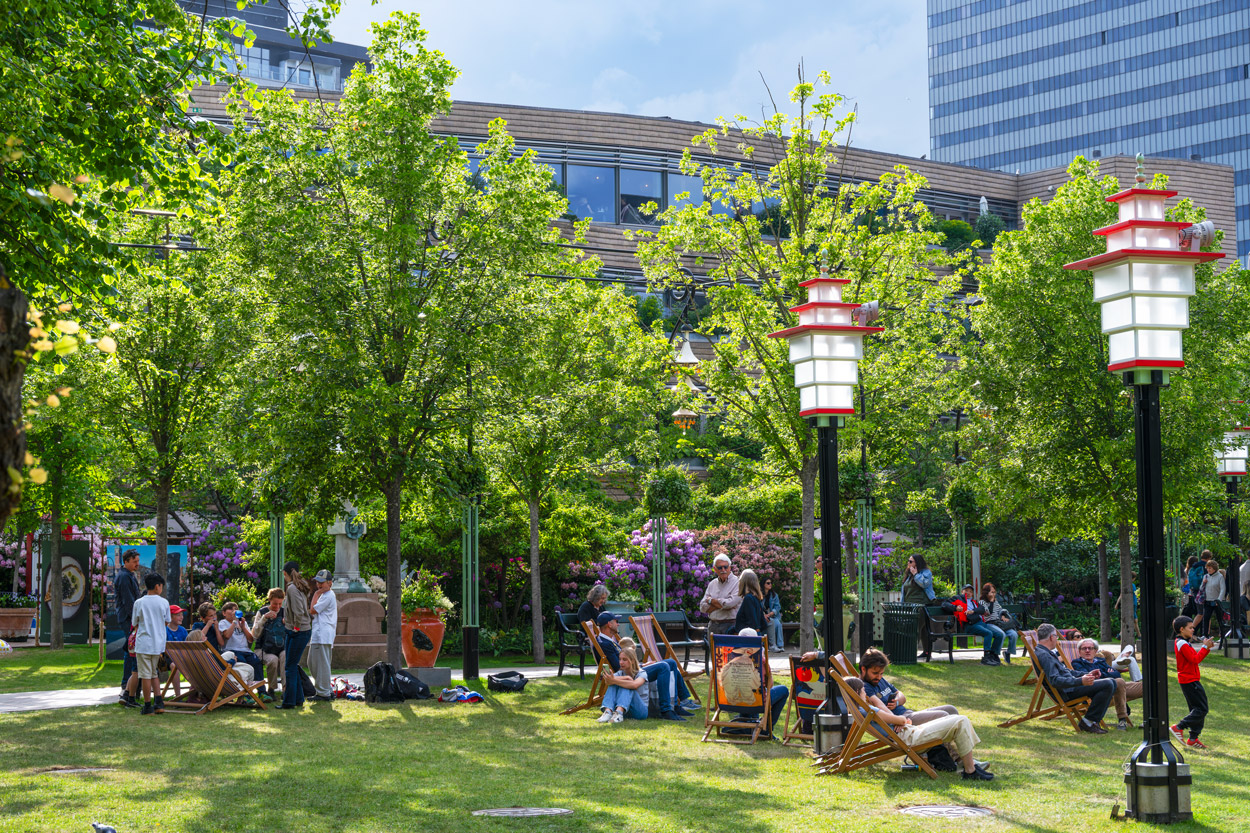
Tivoli’s Chinese pagoda and a roller coaster loop that turns people on their heads.

On the Vietnam Airlines flight to Denmark, I sat next to a Swedish man returning to Stockholm via Copenhagen from a business trip to Vietnam. We got into a rambling conversation ranging from his involvement with a startup business that recycles discarded pieces of synthetic fabrics that are cut away in the production of garments to life in Vietnam, the decline of the United States in the hands of malevolent fascists, to things to do in Copenhagen.

The company he works for has been created around some useful ideas, a reminder to me that there are literally thousands of niches in our mass consumption, growth-is-always-good global economy for businesses with ideas that make life on earth a bit less wasteful and a bit more sustainable.

But his thoughts on things to see in Copenhagen were of more immediate value to me. Among other places, he recommended I visit Tivoli which, as I understood his brief description, not entirely accurately as it turned out, was a beautiful space enclosing an amusement park.

No rides for me. I’m headed for a table and an icy cocktail in a tall glass.

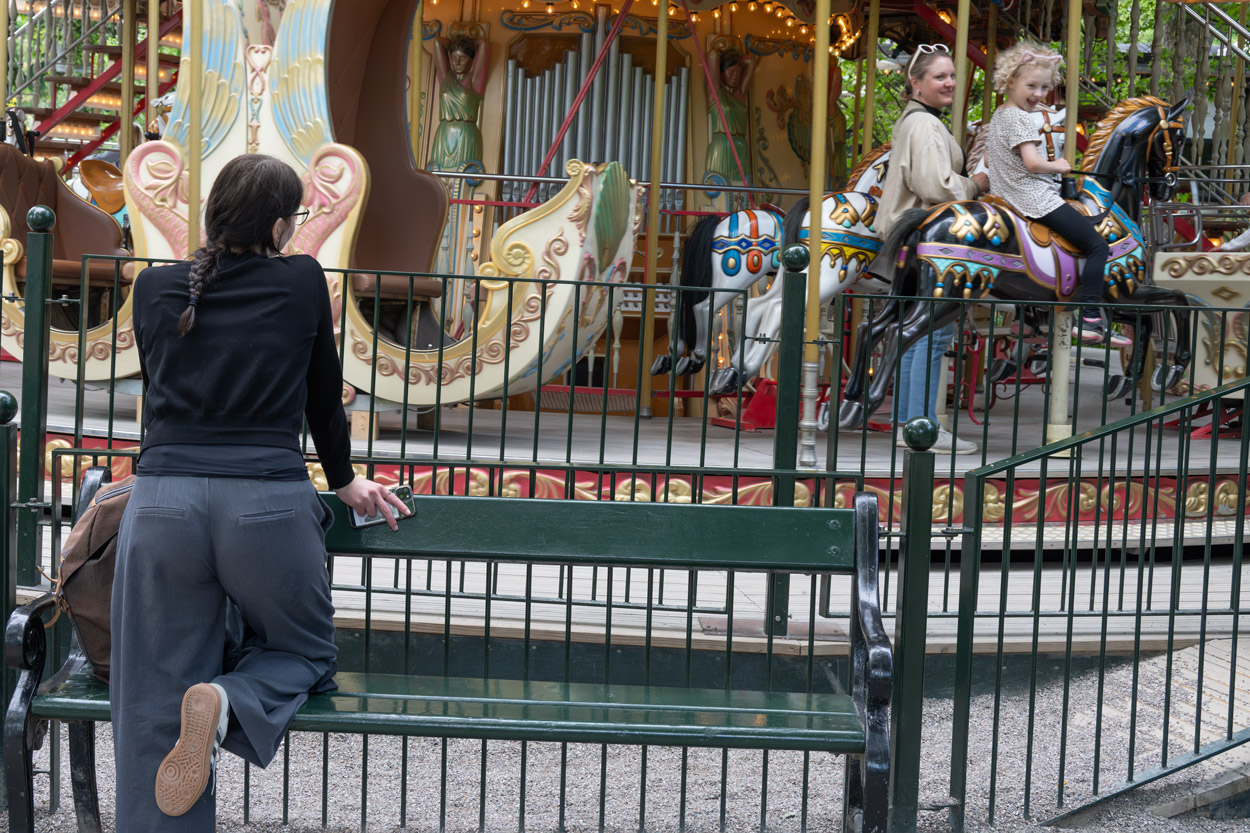
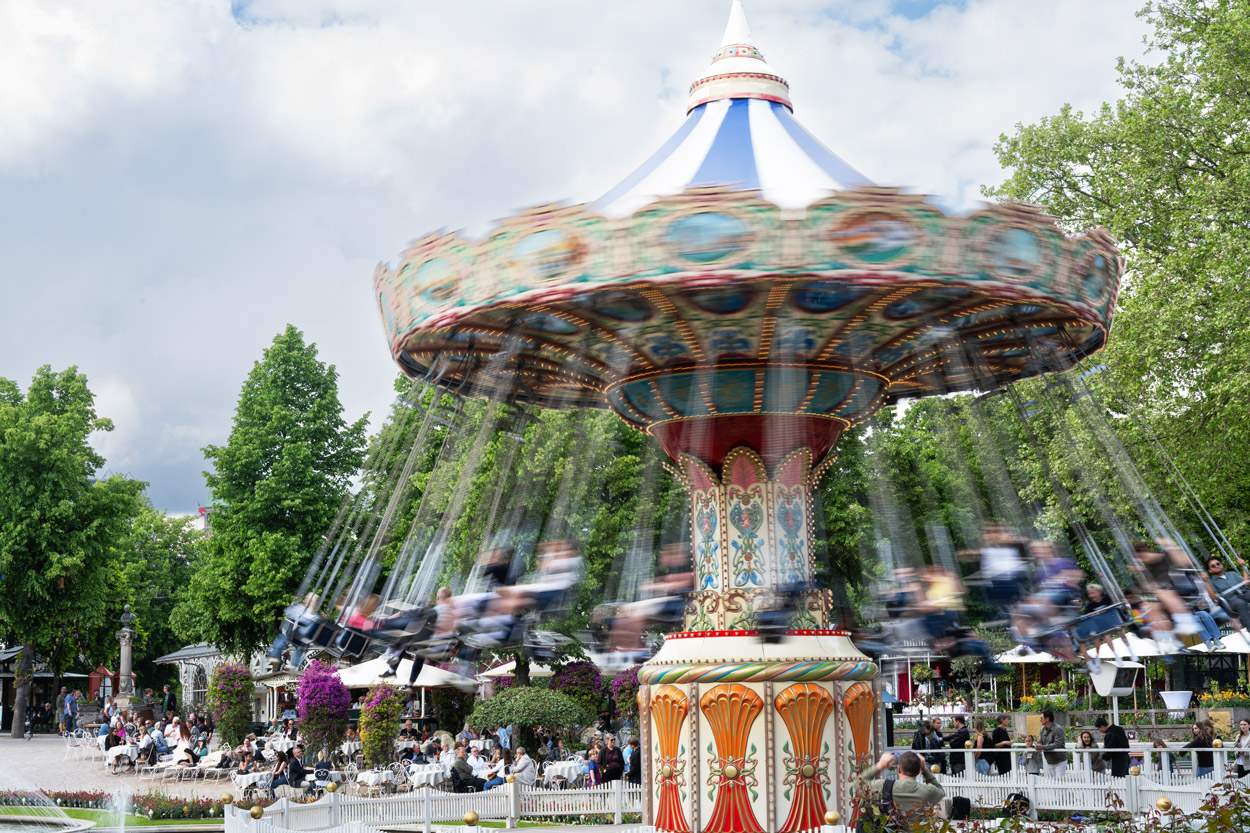
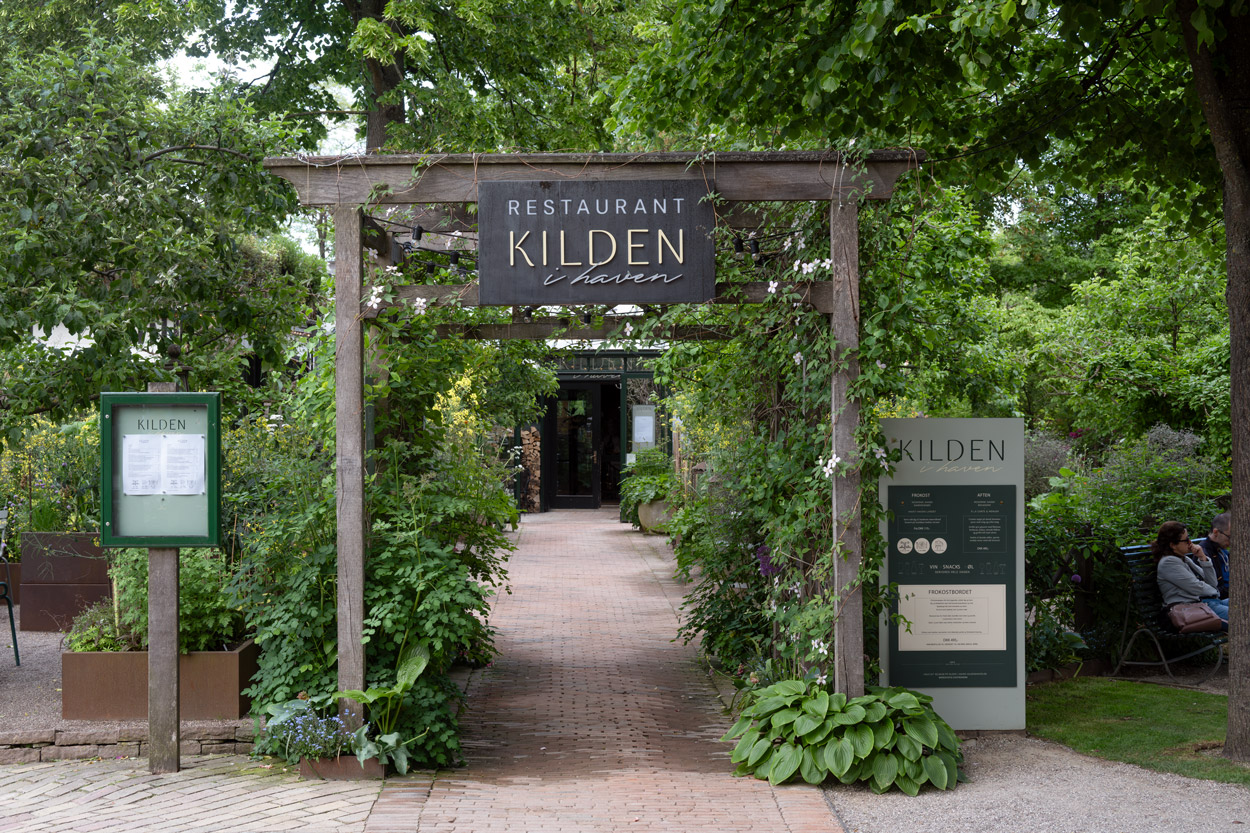
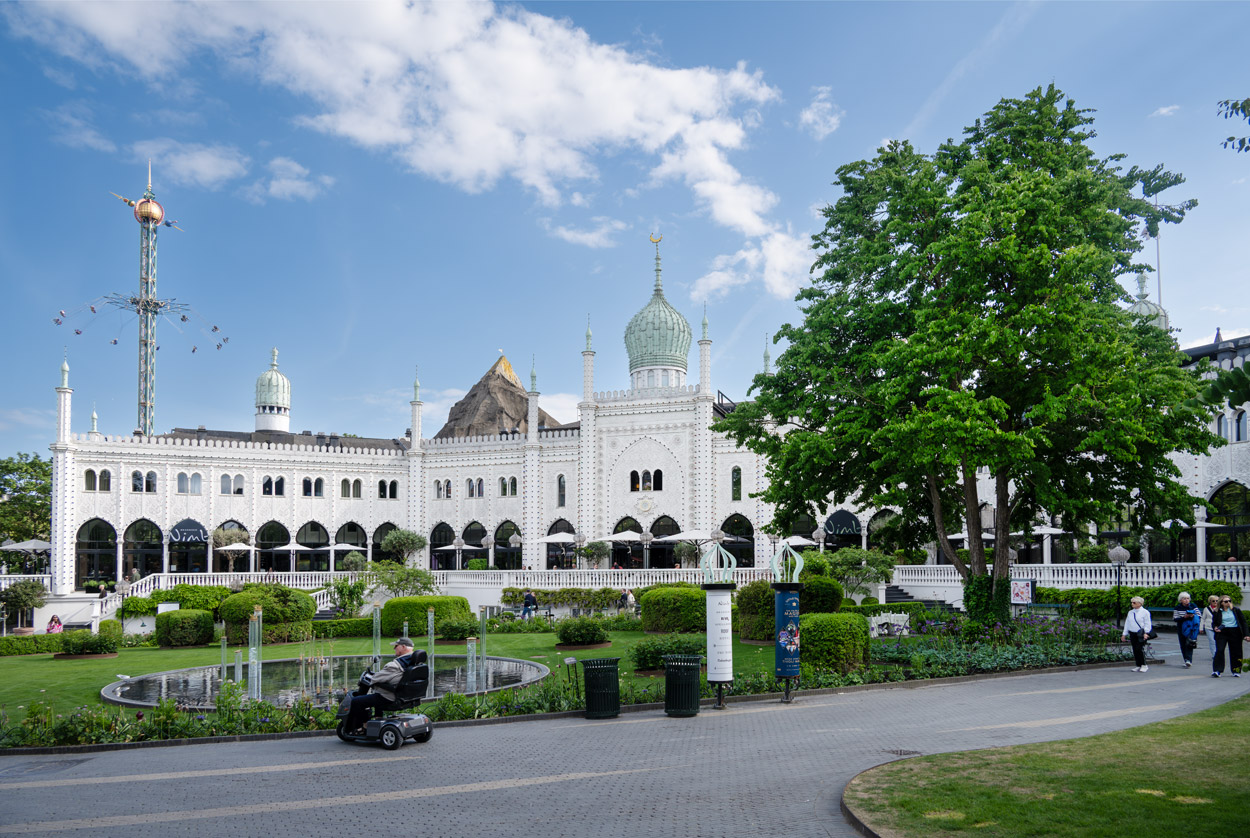
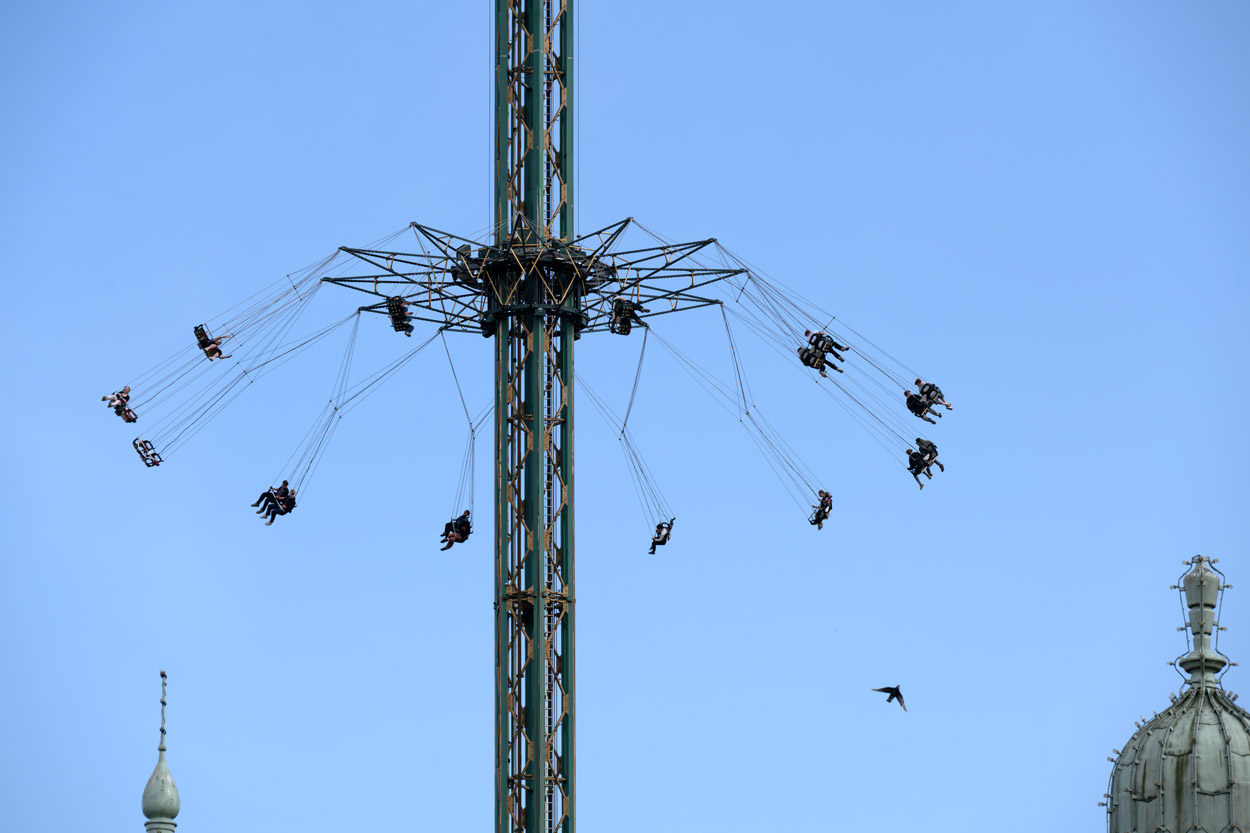
On my second day in Copenhagen I set out around 7:00 am and walked over to Tivoli Gardens only to find the place would not open until 11:00, and when it did, I would need a ticket costing around $23 to go in. I returned late afternoon on my third day, and after buying my ticket and entering the Gardens, I discovered that Tivoli is indeed a beautiful place which features far more than an amusement park that requires a fee to enter. In addition to more than two dozen amusement rides inside the park (each of which requires the purchase of another ticket), Tivoli Gardens also has: a wide variety of restaurants and eateries within, ranging from several restaurants with Michelin stars to a food court serving different kinds of street foods; replicas of a Chinese pagoda (that looks more Japanese to me) and a Moorish palace; regular music, theatre and dance performances, as well as events for kids; and a very pricey five star hotel on the grounds if you are interested in spending a night or two.

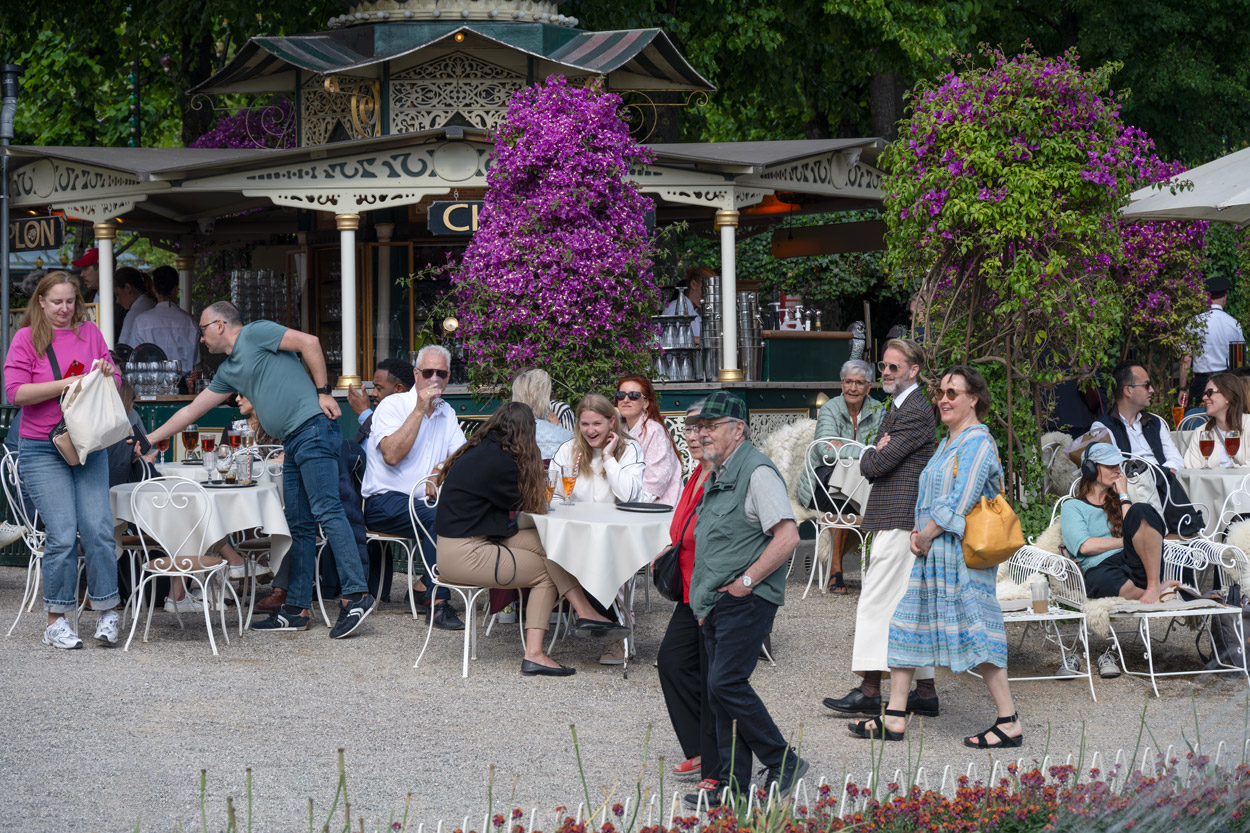
When you’ve had enough walking, there’s plenty of places for a drink or a meal.

A ticket to enter the park, plus a few rides, and then drinks and dinner, an outing to Tivoli can turn into an expensive day in no time, especially for a family. Though there are various ticket deals varied to what people want to do during their visits. And there is an annual pass ticket for locals who are likely to visit Tivoli several times during the year.

The five-star Nimb Hotel is inside the Moorish palace.

As for me I spent a couple of hours walking around on a beautifully sunny and warm early June afternoon soaking in the sights and the ambience. I came across a gathering of people watching a broadcast on a huge outdoor screen. I stopped to listen to the Lord Mayor of Copenhagen, a 40ish woman named Sisse Marie Welling of the Green Left party, talking with a hot shot from Michelin about Copenhagen’s efforts to turn itself into the foodie capital of Europe. Sure. Why not?

While the city’s goal did little to inspire, it did get me thinking about having a proper dinner at one of the many restaurants in Tivoli Gardens. After spending some time reading restaurant reviews, I ended up in a place called Paafuglen that serves Danish cuisine. I did the works: an aperitif, first course of seasonal white asparagus in a creamy sauce, a main of baked haddock with new potatoes and washed down with a bottle of piss elegant sparkling water, ice cream for dessert, and finally coffee. It was a delicious, memorable dinner, the service was impeccable, and it was not cheap.

Tivoli Gardens, a unique, delightful place that was absolutely worth the price of admission.

US Soft Power Lane, Copenhagen

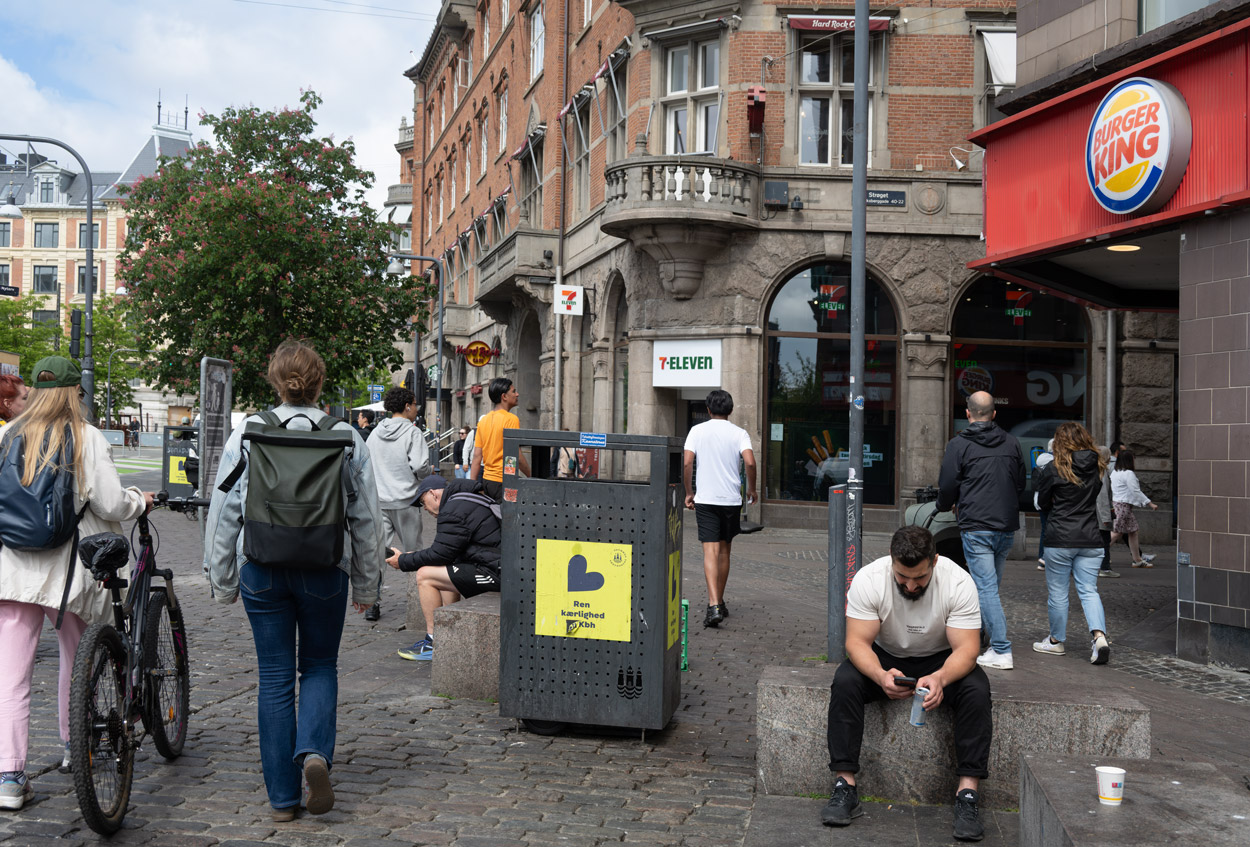
One of my meandering walks in Copenhagen brought me to this row of American businesses, purveyors of…what exactly?…foods & beverages?…culture?…soft power?…in this case, to people who are understandably rather fed up with the United States. For the record, beside me and the man who is obviously spending time at the gym, there was a KFC.

Airports in Vietnam are infested with Burger King outlets, and if I am not in the mood for a $15 bowl of pho, I can part with my $15 for what is still laughingly called a Whopper with some tasteless fries and a Coke. Or is it a Pepsi at Burger King? Does anyone care?

I don’t know what 7 Elevens are like in the US these days; in Vietnam they are standard convenience stores with small selections of all kinds of packaged foods and beverages, household goods, and personal care products along side of prepared sandwiches, pastries and cakes, and a few prepared items zapped and served hot. The European 7 Elevens I saw on this trip have a more up market appearance and are devoted almost entirely to selling prepared foods – sandwiches, salads, and other small meals prepared and delivered daily for same-day sale. Some foods can be heated. There are rows of soft drinks and juices of all kinds, and beer, wine and booze (at least in some of the shops I saw). There are fresh baked goods, as well as packaged cakes and pastries along with the usual selection of ultra-processed ingredients and too much sugar or salt or both wrapped up as cookies, chips, nachos, biscuits, and “energy” foods, ad nauseam. Much of the fare is labeled “natural.” You can also find toothpaste and toothbrush, batteries, and a very limited selection of other personal care and daily use items.

A little difficult to see in the low resolution online post is a Hard Rock Cafe sign behind the 7 Eleven. Every time I see one, I shake my head wondering how this ridiculous outfit serving up mediocre, absurdly overpriced food and drinks survives.

Even more difficult to see beyond the Hard Rock, there is a green Starbucks sign. While I am ambivalent to cynical about the other three US brands pictured here, I loathe Starbucks. In addition to overpriced bad coffee and various overpriced toxic sugar concoctions passed off as drinks, the company is run by anti-union thugs, and that alone is enough to keep me out of any Starbucks shop anywhere.

In fact, my dislike of this outfit goes back many years. I lived in Nanjing and was a frequent visitor to Shanghai when Starbucks made its first appearance in that city around the year 2000. Shanghai was exploding with growth at the time and newly affluent Chinese were developing a taste for coffee. The city had numerous recently opened coffee shops, good and not so good, some homegrown, some run by overseas entrepreneurs or coffee aficionados. Starbucks arrived on the scene with massive brand awareness, its cachet as premium, imported American coffee, and cash to burn. The company’s shops opened up with bargain basement prices that undercut small shops importing and serving genuine premium coffee. Within a matter of months, Starbucks had decimated most, if not quite all, of Shanghai’s independent coffee shops. Typical of the first casualties of Starbucks’ entry, the young Italian man who served up absolutely brilliant espresso and coffees from his tiny stall in the Shanghai American Center was gone in a matter of weeks after Starbucks opened an outlet in the Center. After wiping out most of the competition, of course, Starbucks’ prices skyrocketed, over the course of a year or two, roughly tripling from what they were when the company first arrived in Shanghai.

I know Starbucks is not the only wealthy, large company that has bullied its way into a new market by undercutting the competition with low, loss-generating prices that small businesses cannot afford to match. That does not mean I have to like Starbucks or consume its mediocre coffee, does it.

The $29 Omelette, NYC

The Carnegie Diner & Cafe (at the corner of 7th and 57th) served up perfectly cooked eggs and hash browns, a salad of very fresh greens with a tasty dressing, and excellent coffee. The toast left a bit to be desired. But the service on a full-house Sunday morning was absolutely efficient and New York City friendly. None of the gushing, in-your-face “Hi, my name is Jason, and I am going to be your server today” that drives me crazy in Denver. Just a guy who took the order, got the food to me in a timely fashion, and made me feel like he was paying attention to what I needed. That cup of coffee was never empty.

But $29! That’s ten days or even two weeks of local breakfasts at home in Hoi An. No wonder I suffered from severe sticker shock for the entire month I was in the US.

Street Side Breakfast, Saigon

The sign says the proprietor has on offer rice noodles in soup I presume, fried noodles, rice porridge with herbs, wonton, and some kind of cake or sweet bread – I was not familiar with the Vietnamese and Google’s English translation did not enlighten. Being a big fan of all kinds of rice porridge from Vietnamese porridge with duck to Hong Kong style porridge with preserved egg and pork, I am curious about rice porridge with herbs. Too bad I did not pay more attention to the sign when I walked by.